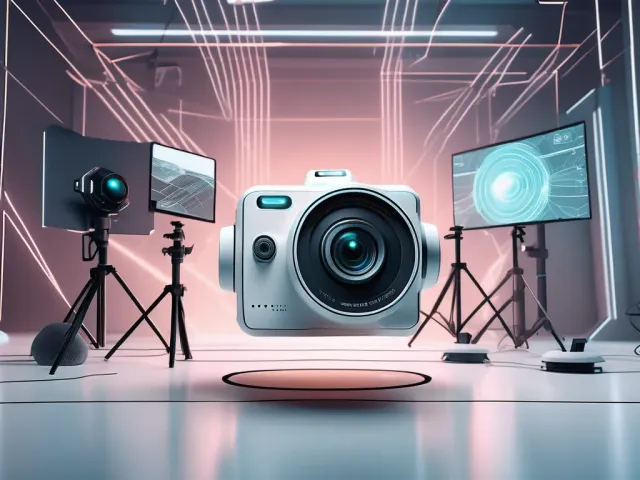
Digital photography has seen incredible transformations over the years, and 2026 is no exception. With advancements in technology and a constant push for higher-quality images and more creative options, photography is evolving in ways that were once unimaginable. From better image sensors to artificial intelligence-driven enhancements, the trends and innovations in 2026 reflect the future of this visual medium.
1. AI and Machine Learning: Enhancing Every Shot
Artificial intelligence (AI) is transforming digital photography in 2026. Cameras and editing software are now equipped with powerful AI algorithms that automatically adjust settings such as exposure, white balance, and focus, making it easier for photographers to capture the perfect shot with minimal effort. AI is also assisting in post-processing, with software that can recognize and enhance specific elements in photos, such as faces, backgrounds, and landscapes.
One of the most exciting features enabled by AI is real-time object recognition and scene detection. This allows cameras to instantly adjust settings based on what they’re capturing, whether it’s a portrait, a landscape, or an action shot. These AI-driven innovations make photography more accessible and efficient, allowing photographers of all levels to get the best results.
2. 3D Photography and Augmented Reality Integration
In 2026, 3D photography has become more mainstream. With the rise of virtual reality (VR) and augmented reality (AR), photographers can now create immersive 3D images that offer depth and realism unlike anything seen before. These 3D images can be viewed using VR headsets, providing users with a more interactive experience.
Moreover, AR is being used in real-time photography to overlay digital elements onto the physical world, adding a new dimension to photos. This trend is especially exciting for industries such as advertising, gaming, and social media, where users can create digital content on the fly.
3. Enhanced Mobile Photography: The Power of Smartphone Cameras
The smartphone camera has long been a powerful tool for photographers on the go, but in 2026, mobile devices have reached new heights. Thanks to advancements in camera technology, such as larger sensors, multiple lenses, and computational photography, smartphones now rival traditional cameras in terms of image quality.
In addition, the integration of AI and machine learning on smartphones has allowed for real-time editing and enhancement. Whether you’re capturing a photo in low light or adjusting the focus, smartphones now make it easier to produce professional-quality images without needing specialized equipment.
4. Virtual Photography and Digital Avatars
The rise of virtual worlds and online platforms has opened new doors for digital photography. In 2026, virtual photography is becoming more popular, where users capture and share images of digital environments, avatars, and 3D landscapes. The ability to create highly detailed avatars has also changed the way people present themselves in virtual settings.
One exciting aspect of virtual photography is the ability to create an avatar that represents you in digital spaces. These avatars can be customized to match your appearance or reflect a completely imaginative persona. As digital spaces become more integrated with our everyday lives, avatars will be used not just in social media but also for professional virtual meetings and gaming experiences. This opens up new avenues for digital photographers to explore virtual spaces and capture unique, computer-generated images that blur the line between reality and fantasy.
5. The Growth of Sustainable Photography
In 2026, sustainability is a key focus in many industries, and photography is no exception. The demand for environmentally-friendly products and practices has led to innovations in photography equipment, such as cameras made from recycled materials and energy-efficient battery technologies. There is also a growing emphasis on sustainable practices in digital photo storage, with cloud providers offering greener options for managing photo archives.
Additionally, photographers are becoming more aware of the environmental impact of their shoots. Many are opting for sustainable photo locations, reducing the carbon footprint of their work, and embracing digital platforms to share their images instead of physical prints.
6. Photographic Innovations in Space and Time
2026 has also seen significant developments in time-lapse and space photography. New technologies allow for capturing high-resolution images of distant celestial objects and events in space. Innovations in telescopes and imaging techniques are allowing astronomers and hobbyists alike to capture more detailed, expansive images of the cosmos.
Time-lapse photography, too, has seen incredible advancements. With the help of AI and machine learning, photographers can now capture time-lapse videos with minimal post-processing, automatically adjusting lighting, colors, and focus to create more fluid and seamless sequences.
Conclusion
As we look at the evolution of digital photography in 2026, it’s clear that technology continues to push the boundaries of what’s possible. From AI-driven enhancements and 3D imaging to the rise of virtual photography and digital avatars, these innovations are reshaping how we capture and experience the world around us. Whether it’s creating a digital persona or capturing the beauty of the cosmos, the future of photography holds endless possibilities.